OPERATION HADIN KAI INTERCEPTS SUSPECTED TERRORIST LOGISTICS NETWORK, ARRESTS FIVE IN BORNO
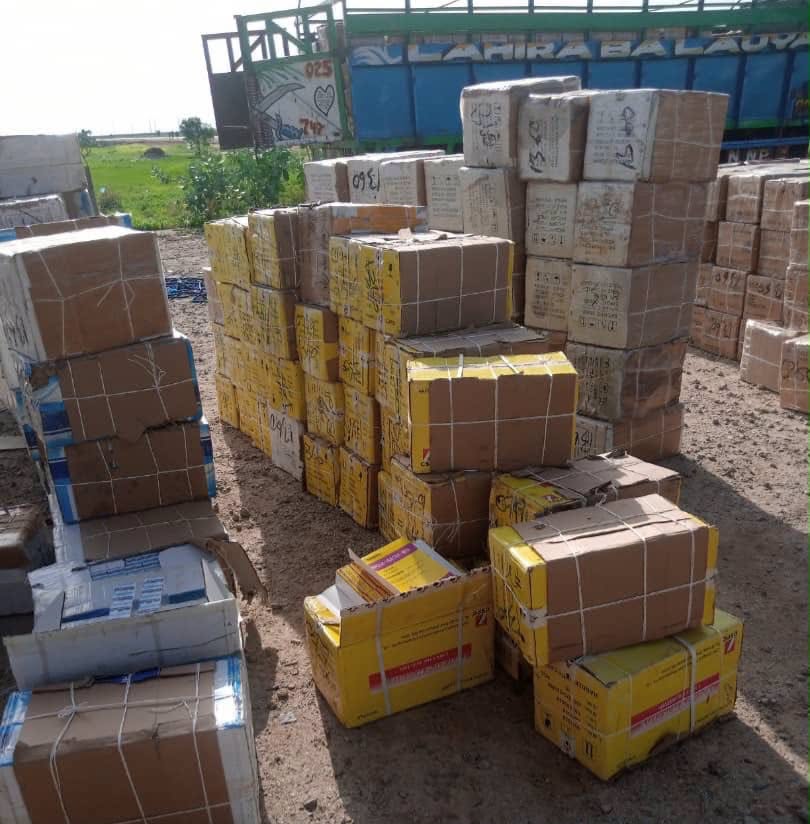
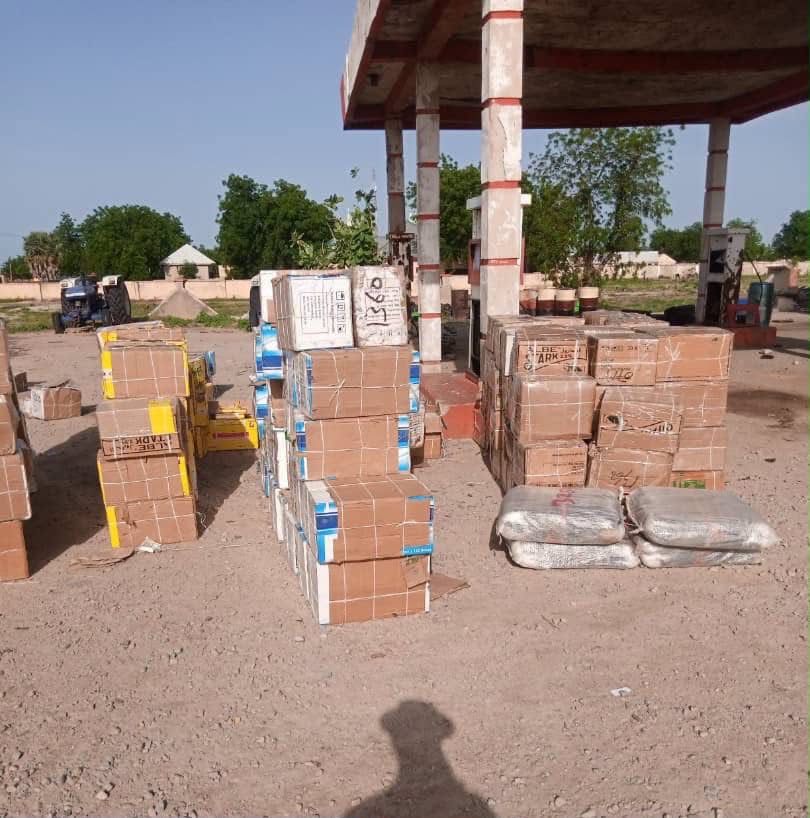
Troops of Operation HADIN KAI (OPHK) have disrupted a suspected terrorist logistics network with the arrest of five suspected logistics suppliers and the interception of a large consignment of medical, veterinary, and commercial items during an intelligence led security operation in Borno State.
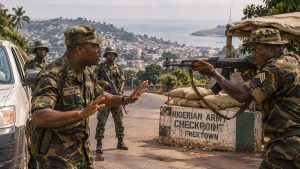
According to military authorities, troops of the 112 Task Force Battalion, working alongside Hybrid Forces, intercepted the suspects at about 1:30 p.m. on 20 July 2026 in Mafa Local Government Area while conducting a routine security operation.
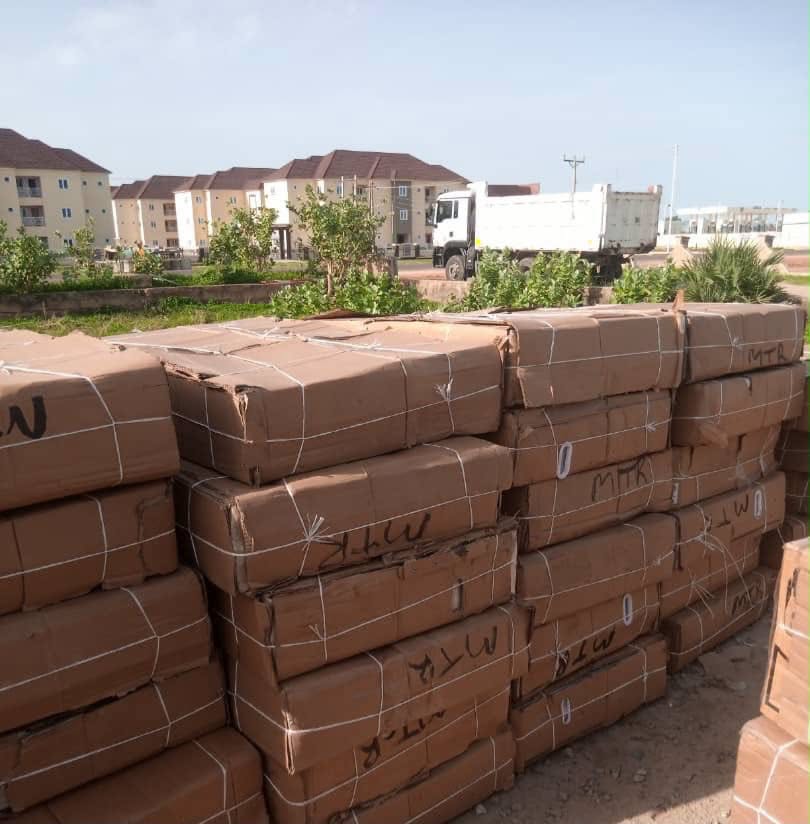
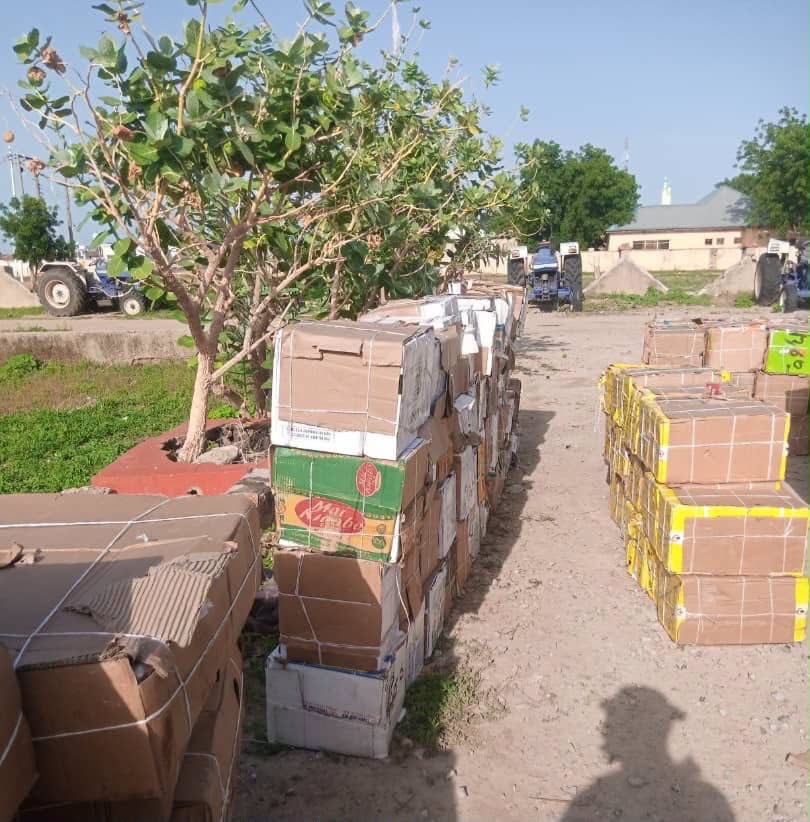
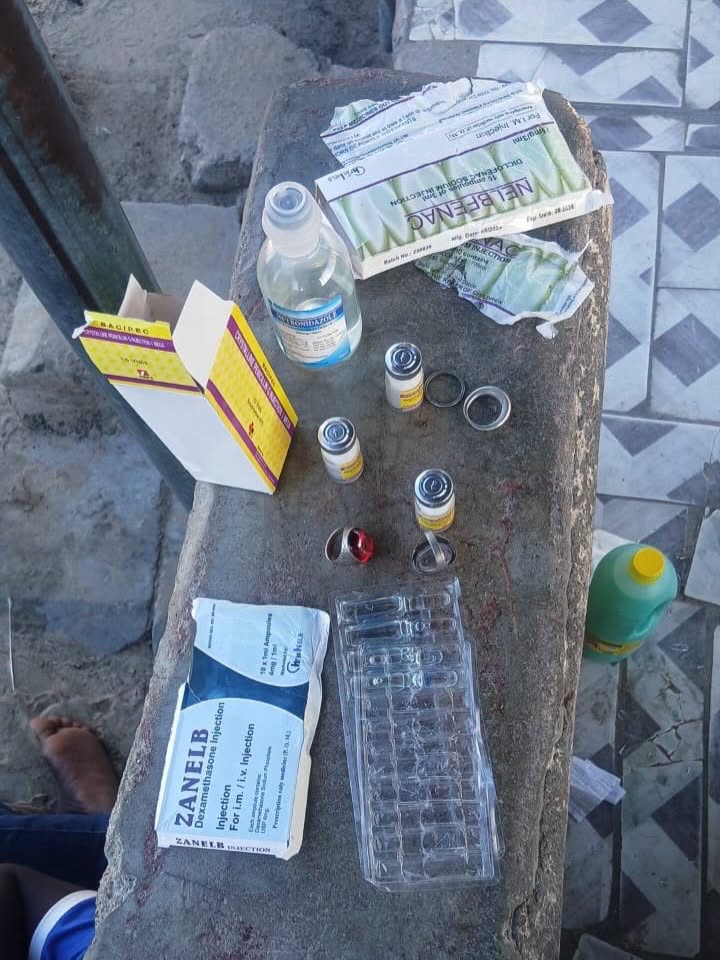
The suspects were reportedly transporting 491 cartons of Albe Stark 2.5 per cent dewormer and 100 cartons of multivitamin injections for animals without the required waybill or supporting documentation. A subsequent search of the vehicles uncovered additional concealed medical supplies, including 32 cartons of Diclofenac Sodium Injection, 58 cartons of Benzylpenicillin Sodium BP, six cartons of Dexamethasone Injection, and 51 cartons of Metronidazole Intravenous Infusion.
Troops also recovered 30 units of 80 inch LG plasma televisions, 152 empty Bagco sacks, and seven mobile phones during the operation.
Preliminary investigations indicate that the consignment was destined for a vendor in N'Djamena, Chad, while part of the concealed medical supplies was allegedly intended to be transferred to another truck near the Nigeria Chad border, a movement the military believes was designed to conceal the shipment and avoid security scrutiny.
The five suspects and the recovered items have been taken into the custody of the 24 Task Force Brigade for further investigation.
From a security research perspective, the operation reflects the increasing emphasis placed on disrupting terrorist logistics as a central component of modern counterterrorism strategy. Armed groups depend not only on weapons and ammunition but also on medical supplies, veterinary products, communications equipment, transportation assets, and commercial goods to sustain fighters, maintain mobility, and preserve operational endurance.
The recovery of pharmaceuticals and veterinary products is particularly noteworthy. While many of these items have legitimate commercial uses, they may also be exploited within insurgent camps to treat injured fighters, maintain livestock used for food or transport, and sustain isolated terrorist enclaves operating in difficult terrain. This explains why military authorities subject large consignments moving through conflict affected areas to enhanced scrutiny.
The alleged attempt to transfer part of the shipment near the international border also highlights the persistent challenge posed by transnational logistics networks operating across the Lake Chad Basin. Porous borders, informal trade routes, and cross border commercial activity can be exploited by terrorist organisations to move supplies while masking illicit transactions within legitimate commerce.
Operation HADIN KAI emphasised that the interception represents another step in its campaign to dismantle terrorist support structures by targeting supply chains before materials reach insurgent elements. Counterterrorism experts generally regard the disruption of logistics networks as one of the most effective means of reducing the operational capability of armed groups without direct battlefield engagement.
The military further advised pharmaceutical distributors, transport operators, healthcare providers, humanitarian organisations, and agrochemical dealers moving bulk consignments within the North East to ensure that shipments are properly documented and, where necessary, coordinated with relevant military authorities. According to the Theatre Command, such measures are intended to facilitate legitimate commercial and humanitarian activities while preventing terrorist organisations from exploiting established supply chains.
Operation HADIN KAI reaffirmed its commitment to sustaining intelligence led operations aimed at identifying and dismantling terrorist logistics networks and urged members of the public to continue supporting security agencies with timely and credible information capable of advancing ongoing counterterrorism operations across the North East.